
Design galleries and communities Solutions
Design galleries
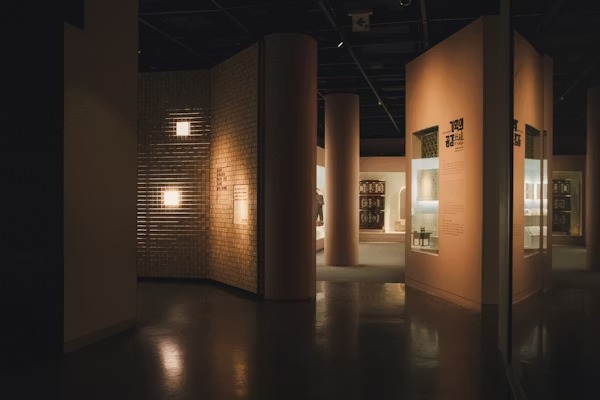
Design galleries curate high-quality user interface designs, layouts, and interaction patterns from various industries. These platforms allow designers to explore modern trends, compare design solutions, and understand how visual hierarchy, typography, color usage, and spacing improve usability. For enterprise platforms such as HRMS, design galleries provide inspiration for dashboards, forms, data visualization, and workflow interfaces that prioritize clarity and efficiency.
Top Design Inspiration Galleries for Developers and Designers
Each gallery encourages exploration, helping developers visualize diverse approaches to aesthetics, UX flows, and content organization before finalizing their development roadmap.
• Dribbble – The global hub for creative professionals. Designers share shots of UI components, branding assets, and motion graphics. It’s a go-to platform for visual trends and style discovery.
• Behance – Curated case studies by designers and agencies offering deep insight into creative processes across UI/UX, development, and identity design.
• Awwwards – Features award-winning websites evaluated based on design, usability, creativity, and development. Great for identifying modern layout structures and responsive design approaches.
• Siteinspire – A meticulously curated gallery categorizing designs by industry, style, and functionality. Helpful for niche-specific concept discovery.
• Mobbin (for mobile UX) – A handpicked library of mobile app patterns that help teams design consistent and intuitive interfaces for Android and iOS.
• CollectUI – Showcases web and mobile UI ideas daily, ideal for examining micro-interactions and clean component layouts.
The Value of Design Communities
Design communities take inspiration a step further by offering collaboration, discussion, and constructive feedback. As digital design merges with AI, motion graphics, and data visualization, these communities help professionals continuously sharpen their creative and technical skills.
Some influential global and regional communities include:
• Designer Hangouts – A private Slack community for UX and product designers to discuss industry challenges and design strategy.
• Reddit – r/web_design & r/UI_Design: Open forums featuring daily discussions, examples, and critiques from design professionals worldwide.
• UX Mastery Community: A professional knowledge-sharing hub for UX, interaction design, and user psychology explorations.
• Figma Community: Offers a vast library of user-generated templates, components, plugins, and collaborative workflows.
• CodePen & CSS-Tricks: Great platforms for frontend developers to explore CSS effects, animations, and prototype interactivity.
By participating in these ecosystems, developers and designers stay connected to new patterns, tools, and guidelines driving global design conversations.
The Role of AI and Cloud Collaboration in Design Inspiration
AI-driven tools and cloud collaboration platforms are transforming how web professionals source and adapt design inspiration.
• AI Pattern Recognition: Tools like Adobe Firefly or Framer analyze user behavior to suggest layout improvements and visual trends.
• Cloud Collaboration: Platforms such as Figma, Notion, and Miro allow real-time brainstorming, version control, and visual prototyping for distributed teams.
• Automated A/B Testing: Cloud-based tools evaluate multiple design variants simultaneously, revealing which creative choices work best in real-life use.
Together, these advancements make it possible to create iterative, insight-driven, and consistently evolving digital interfaces.
How Inspiration Shapes Modern Branding
Templates and galleries are not about replicating looks—they’re about refining identity. By adapting creative inspiration into unique brand systems, companies express values visually and emotionally. Whether it’s the calming color balance of a healthcare dashboard or the bold interactivity of a fashion e-commerce site, design inspiration is the silent force behind digital storytelling. The long-term benefit lies in alignment: design systems, once inspired by creative sources, evolve into signature brand experiences—distinct, immersive, and memorable.